

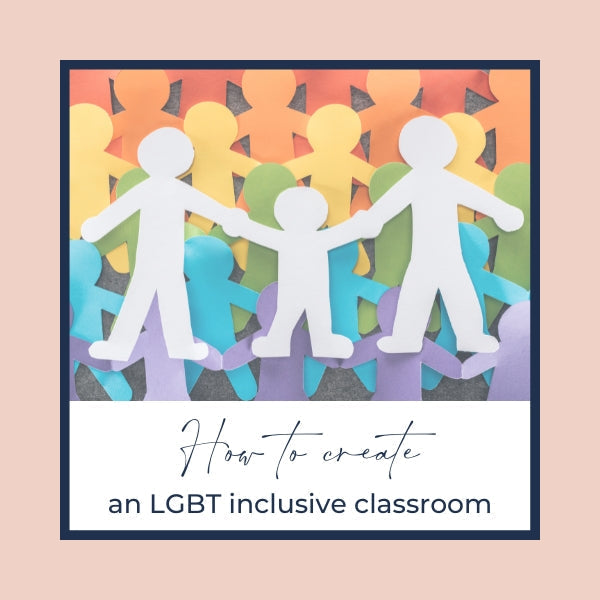
In today’s diverse schools, fostering an LGBT inclusive environment where every student and teacher feels safe, valued, and respected is more important than ever. For LGBT+ students and teachers, inclusive classrooms aren’t just about tolerance — they are about affirming identities, celebrating diversity, and ensuring equal opportunities for learning and growth.
Why Inclusion Matters
LGBT+ students face a higher risk of bullying, discrimination, and mental health challenges, which can negatively impact academic performance and emotional well-being. Similarly, LGBT+ teachers may experience workplace bias or feel pressured to hide their identities. Inclusive classrooms help combat these challenges by building community, fostering acceptance, and providing positive role models.
Here are some strategies that can help make your classroom a welcoming space for all:
1. Use Inclusive Language. Avoid assumptions about gender or family structures. For example, instead of asking about “mum and dad”, say “parents or guardians”. Also use each student’s chosen name and pronouns consistently. Model respectful language by correcting derogatory terms and explaining why they are harmful.

2. Incorporate LGBT+ Topics into the Curriculum. Include books, history, and contributions from LGBT individuals across subjects. Celebrate important dates like Pride Month and Transgender Day of Visibility through classroom activities and discussions. You could even invite guest speakers or share stories that highlight diverse identities.
3. Establish Clear Anti-Bullying Policies. Make it clear that harassment or discrimination based on sexual orientation or gender identity is not to be tolerated. Encourage all students to report bullying and ensure that their concerns are taken seriously. Provide resources such as counselling or support groups for LGBT+ students.

4. Create Safe Spaces. Designate areas or times where students can express themselves without judgement. Display visible signs of support, like rainbow flags or inclusive posters.
5. Provide Professional Development. Engage in training on LGBT+ issues to better understand challenges and terminology. Collaborate with LGBT+ advocacy groups or organisations for ongoing support.
For more tips on how to create an inclusive classroom, visit the University of Oxford’s website.

Raise Awareness with LGBT+ Accessories
Another simple yet powerful way to foster inclusivity in the classroom is by incorporating LGBT+ accessories and symbols that promote visibility and awareness. Wearing a rainbow lanyard, displaying a small pride flag or pronoun pin, or placing inclusive posters on classroom doors and walls can send a clear message that your space is safe and supportive for everyone.
Creating an inclusive classroom is a journey — one that requires continuous learning, patience, and courage. By embracing diversity, challenging prejudice, and celebrating every individual’s unique identity, we can light the way toward a more equitable future.
Have you found our blog helpful? Stay connected with us for all the latest news and tips! Subscribe to our newsletter and be the first to receive info on new products, advice, tips, and discounts – PLUS get a free downloadable wallet card for your emergency contacts.
Leave a comment